Source Wearable Nail Stickers for Finger, Toe, and Art
Explore 30 options for wearable nail stickers designed for finger and toe applications. Compare materials like metal, gel, and PVC, along with certifications such as CE and SGS, to find suitable nail art supplies for global distribution; compare the available evidence and request quotations based on your requirements.
Key considerations
Products List





Comprehensive Sourcing Guide
Wearable Nail Stickers Sourcing Guide
Product Scope and Observed Listing Signals
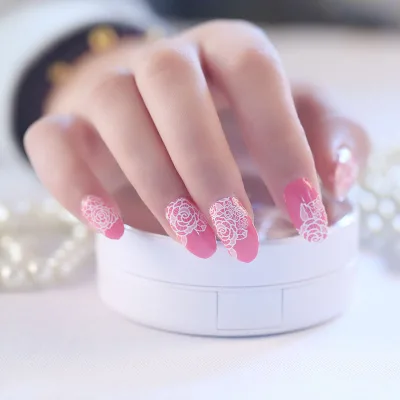
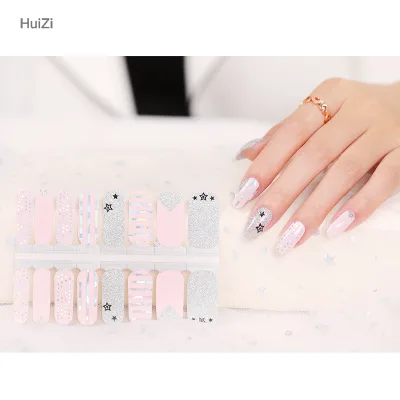
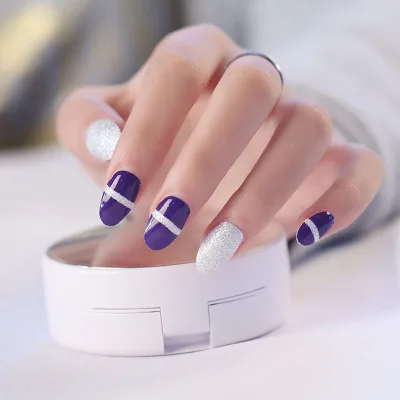
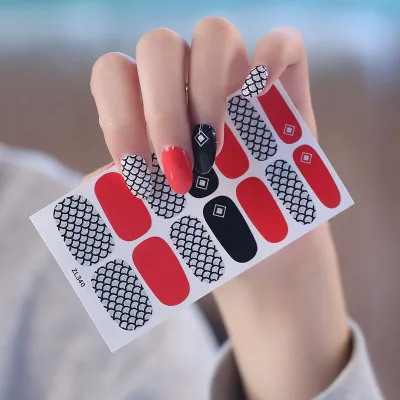
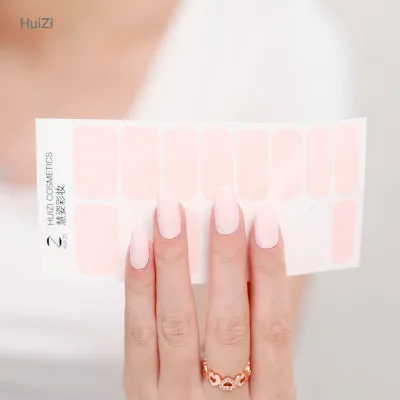
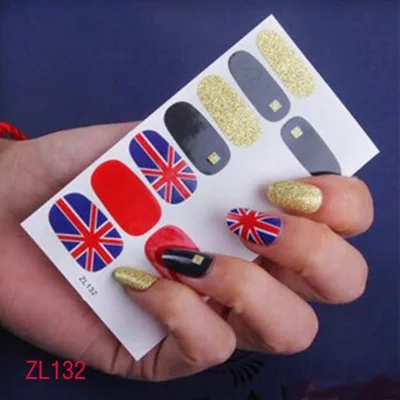
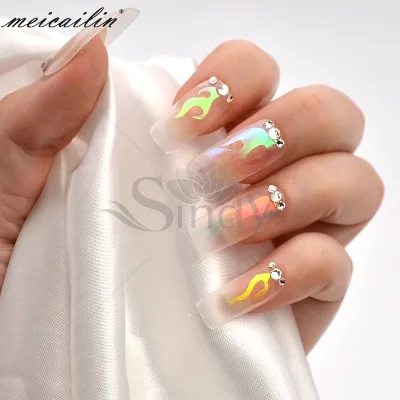
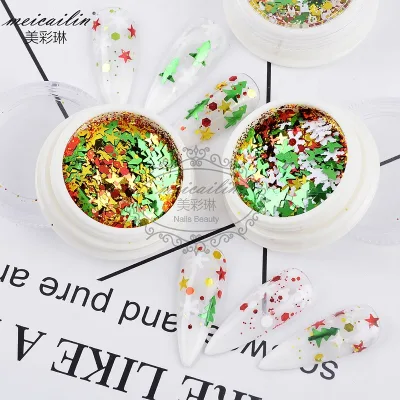
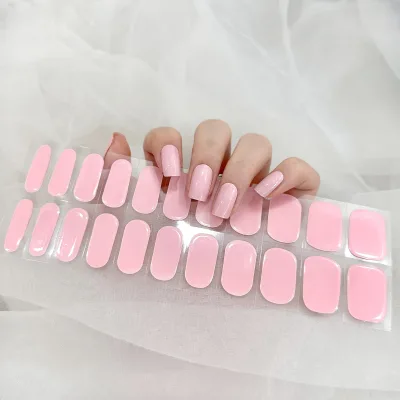
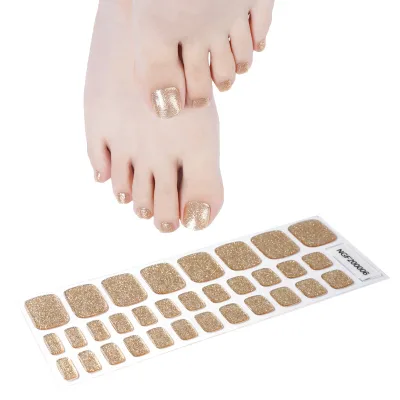
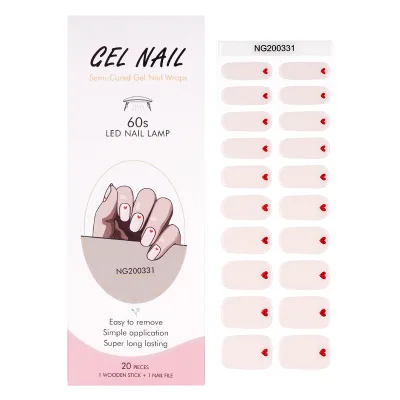
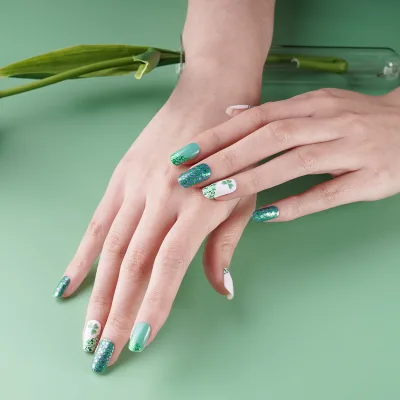
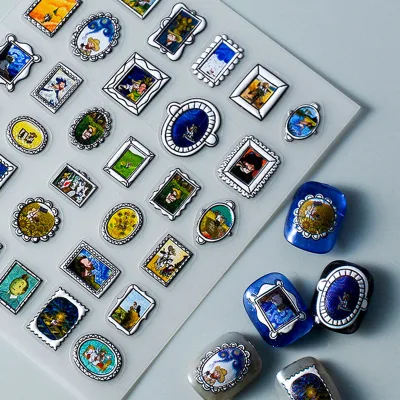
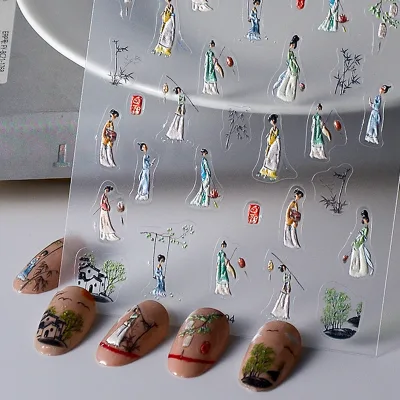
The current market for wearable nail stickers encompasses a diverse range of decorative solutions, primarily categorized by material composition and application method. Suppliers offer products made from metal, gel, plastic, and PVC, each serving distinct aesthetic and functional needs in nail art. For instance, metal-based decorations often provide a durable, high-shine finish suitable for finger applications, while PVC and plastic variants are frequently used for full or half-cover stickers that adhere directly to the nail surface. Buyers must carefully distinguish between these material types, as the choice significantly impacts the final look, durability, and application process for the end consumer.
Listing signals indicate a broad global availability, with origins predominantly traced to Zhejiang, China, and other regional manufacturing hubs. The observed product models, such as TKMZ36, TKMZ35, and ES-086, suggest a high volume of SKUs catering to varied design preferences, including multicolor and specific color options like red. Packaging is typically standardized into OPP bags or cartons, with some suppliers offering vacuum-sealed options to protect delicate designs. This variety allows buyers to source both generic stock items and customized designs, provided they verify the specific customization capabilities and minimum order quantities associated with each supplier’s production line.
Technical Specifications to Verify
When evaluating technical specifications, buyers should prioritize the physical dimensions and coverage type of the nail stickers to ensure compatibility with target customer demographics. Standard sizes such as 10-12mm or specific dimensions like 7.8*6cm are common, but custom-made sizes are also available for specialized needs. It is crucial to verify whether the product offers full cover or half-cover designs, as this determines the ease of application and the extent of nail preparation required. Additionally, the model number serves as a primary identifier for tracking inventory and reordering, so maintaining a clear record of specific codes like T2ui8kt or OU-AN435 is essential for supply chain consistency.
Material integrity and packaging details are equally critical for maintaining product quality during transit and storage. Some listings specify a single gross weight of 0.0 kg, which may indicate lightweight packaging or a data entry anomaly that requires clarification with the supplier. Buyers should confirm the exact packaging hierarchy, such as OPP bags inside inner bags, then master cartons, to prevent damage to the stickers. Furthermore, verifying the supply ability, often cited as 100,000 pieces per month, helps assess the supplier’s capacity to handle large orders without compromising quality or delivery timelines, ensuring a steady flow of inventory for retail or wholesale channels.
Compliance and Safety Documentation
Safety and regulatory compliance are paramount when sourcing cosmetic accessories, even for external applications like nail art. Buyers must request relevant certification documents to ensure the products meet international safety standards. Common certifications observed in the market include CE and SGS, which indicate that the materials and manufacturing processes have undergone specific testing for safety and quality. These documents provide assurance that the products, whether made from gel, plastic, or metal, do not contain harmful substances that could cause allergic reactions or skin irritation, thereby protecting both the buyer’s brand reputation and the end-user’s health.
While some background information mentions REACH compliance, buyers should not assume this status without explicit verification from the supplier. It is advisable to request up-to-date test reports that specifically address the materials used in the nail stickers, such as PVC or gel components. Additionally, verifying the branding status is important; some products are listed as non-branded, which may affect intellectual property considerations if the buyer intends to private-label the items. Ensuring that all documentation is current and directly applicable to the specific product model being sourced is a critical step in mitigating regulatory risks in international trade.
Cost Drivers and Commercial Terms
The cost structure for wearable nail stickers is influenced by several key factors, including material type, customization level, and order volume. Observed price ranges vary significantly, reflecting differences in production complexity and material quality. Buyers should note that customized designs often come with higher minimum order quantities, such as 500 pieces or more, which can impact initial investment costs. Understanding the relationship between MOQ and unit price is essential for budgeting, as larger orders typically yield better per-unit costs but require greater capital outlay and storage capacity.
Commercial terms also play a significant role in the total cost of ownership. Suppliers may offer different packaging options, such as OPP bags or vacuum sealing, which can affect shipping volume and costs. The port of dispatch, often Shanghai, is a common logistics hub that influences freight rates and transit times. Buyers should negotiate clear terms regarding packaging details, such as inner and outer carton specifications, to optimize shipping efficiency. Additionally, confirming the supply ability and lead times helps in planning inventory levels and avoiding stockouts, ensuring that the procurement process aligns with sales forecasts and market demand.
Supplier Qualification and Quality Control
Qualifying suppliers requires a thorough assessment of their production capabilities and quality control processes. Buyers should verify the supplier’s origin, with many manufacturers located in Zhejiang, China, a region known for its robust manufacturing infrastructure. It is important to request samples to evaluate the physical quality of the nail stickers, including the precision of cuts, the adhesion strength, and the vibrancy of colors. This hands-on inspection helps identify any potential defects or inconsistencies that may not be apparent from product listings alone, ensuring that the final product meets the buyer’s quality standards.
Quality control should also extend to the packaging and labeling processes. Buyers must ensure that the supplier follows strict packaging protocols to prevent damage during transit, such as using sturdy master cartons and protective inner bags. Verifying the accuracy of product models and specifications on the packaging is crucial for inventory management and customer satisfaction. Additionally, assessing the supplier’s responsiveness and communication skills can provide insights into their reliability and ability to handle issues promptly. Establishing a clear quality agreement with the supplier, including acceptable defect rates and remediation procedures, is a best practice for maintaining consistent product quality.
Long-Term Procurement Checks
Long-term procurement success depends on continuous monitoring of supplier performance and market trends. Buyers should regularly review supplier metrics, such as on-time delivery rates, product quality consistency, and responsiveness to inquiries. Establishing a periodic review process helps identify any declines in performance early, allowing for corrective actions or supplier diversification if necessary. Additionally, staying informed about emerging trends in nail art, such as new materials or design styles, enables buyers to adapt their product offerings and maintain a competitive edge in the market.
It is also important to maintain open communication with suppliers regarding future orders and potential changes in requirements. This includes discussing any updates in certification standards, packaging preferences, or customization options. Building a strong relationship with suppliers can lead to better pricing, priority production slots, and collaborative innovation. Furthermore, buyers should periodically reassess their supply chain risks, including geopolitical factors and logistics disruptions, to ensure business continuity. By proactively managing these aspects, buyers can secure a stable and efficient supply of wearable nail stickers for their customers.
FAQs
What materials are used for wearable nail stickers?
Wearable nail stickers are crafted from diverse materials including metal, gel, plastic, PVC, and nail polish. These materials provide varying textures and durability levels for different nail art applications. Buyers can select based on desired finish and wear time, with options ranging from rigid metal accents to flexible PVC decals for comprehensive finger and toe decoration.
Can I customize the design of wearable nail stickers?
Yes, customization is available for many wearable nail sticker products. Buyers can request custom-made sizes and unique designs to match specific branding or aesthetic preferences. While some items are non-customized standard products, others offer tailored solutions. This flexibility allows businesses to source unique nail art supplies that stand out in the competitive beauty market.
What is the typical MOQ for ordering nail stickers?
The minimum order quantity typically ranges from 10 to 1000 pieces, depending on the specific product and supplier. Some items have a fixed MOQ of 500 pieces, while others allow smaller trial orders starting at 10 units. This range accommodates both small boutique buyers and large-scale distributors seeking bulk pricing and consistent supply for their retail operations.
Which certifications are available for these nail products?
Certified wearable nail stickers often hold CE and SGS certifications, ensuring compliance with international safety and quality standards. These credentials are crucial for buyers importing products to regulated markets. The presence of these certifications indicates that the manufacturing processes and materials meet specific regulatory requirements, providing buyers with confidence in the product's safety and quality assurance.
How are wearable nail stickers packaged for shipping?
Packaging varies by product, commonly using OPP bags, vacuum seals, or cartons. Some items feature detailed packaging sequences like inner bags within master cartons for protection. Standard sizes like 12x9x0.5 cm are used for individual units. This varied packaging ensures product integrity during transit, whether shipping small quantities or large monthly capacities of up to 100,000 pieces.
Where are these nail stickers manufactured?
Most wearable nail stickers are manufactured in China, with specific origins noted in Zhejiang province. This region is a known hub for beauty product manufacturing, offering efficient supply chains and competitive production capabilities. Buyers sourcing from this location benefit from established logistics networks, including dispatch ports like Shanghai, facilitating reliable and timely delivery to global markets.